Health Specialties

-
  • Log in
  • Create a New Account
  • Retrieve Password
+ Add a new post

Night Shift Workers at Greater Risk of Diabetes

0
laika.yaz's picture
Posted by laika.yaz
4/14/12 9:00pm
Altering natural circadian rhythms can lead to a decrease in insulin

Working the night shift doesn't just put you out of touch with the majority of the world. Staying awake to work while most people are peacefully asleep might be an alienating and lonely experience, but scientists have recently discovered that it can have more concrete negative effects on your health, too. Namely, workers assigned to the graveyard shift have a much higher risk of diabetes than people who get to work during daylight hours. 

Researchers at Harvard Medical School slowly weaned test subjects off a normal night's sleep by shifting their sleep periods forward four hours at a time. By the time they got them sleeping during the day and staying awake all night, they were able to monitor their hormone levels to discover something surprising. Participants had much lower levels of insulin than normal after just three weeks in the lab. Their glucose levels began to rise. Three of the 21 subjects had blood sugar levels high enough to qualify them as pre-diabetic. Their pancreases just weren't working as they were supposed to.

It turns out the body stops functioning properly once it's deprived of daylight. Even those test subjects who were severely sleep deprived, but were allowed to sleep at night, had insulin levels that were closer to normal. It was the daysleepers who demonstrated dangerously low levels of insulin. These results explain the higher rates of diabetes and obesity that run rampant in night shift workers--and may help to explain the host of other medical problems that have been categorized under the term "shift work disorder."

It looks like the body has a pretty good idea of when it's supposed to sleep and when it's not--and it doesn't take kindly to adjustments in its inborn programming. Human circadian rhythms can't really be changed to fit the needs of people who must work at night. For janitors, bartenders, and other moonlight laborers, the health risks are just an irreversible part of the job. There's not a whole lot they can do to improve their condition short of seeking another line of employment. 

For those of us who have the privilege of controlling our sleep cycles somewhat, we can likely benefit from making sure we get sufficient darkness and light in our daily routine. Getting some sun in our eyes and on our skin can actually be good for us, while keeping things dark at night can help us sleep when we're supposed to. Everyone who can should maintain good sleep hygiene in order to keep those insulin levels where they should be.


Health Benefits of Ginger

0
Hanvi's picture
Posted by Hanvi
3/20/12 6:18pm

A natural food ingredient that can help with multiple health symptoms is ginger.  For instance, it can really help to lessen feelings of nausea or upset stomach.  Usually, the recommendation is to use ginger root to alleviate such symptoms.  However, ginger ale can also be used. 

Personally, I once have had experience with horrible feelings of nausea while at work.  My co-worker noticed my situation and offered me a ginger ale.  At first, I was quite skeptical about the drink being able to help me.  Yet about 20 minutes after finishing the ginger ale, I noticed a mark improvement in how my stomach was feeling.  After a little while, I felt completely better.  So ever since then, I no longer questioned the power of ginger ale.  Since ginger ale actually does include the ingredient of ginger, I also started believing in the power of ginger itself.

Since ginger can help those suffering from nausea, it is a good thing to have when you are going through morning sickness.  Also, if you have a tendency to feel sick due to motion, ginger can also help.  So try to have some ginger near your side, if you happen to feel nauseous a lot. 

Besides alleviating nauseous feelings, ginger can also help with other digestive symptoms.  It can help to reduce the impact of diarrhea, and can even act as a flatulence remedy.  Furthermore, ginger has been known to help you digest your foods better.  So you might be able to try some ginger instead of taking other prescribed medications for aid with digestion. 

The Truth About Milk

0
Hanvi's picture
Posted by Hanvi
3/13/12 5:55pm

Milk is something that most kids are taught to drink from the time they were little.  Parents always tell their children about how drinking milk will help them to grow taller and stronger.  However, not everyone believes milk is wholesome and healthy.  There are groups of people online who strongly believe milk is a toxin that is extremely deadly and poisonous.  So what is the real truth about milk?

Alan Aragon is a nutritionist who recently did his own research on the health benefits and dangers of milk.  He read through the many studies and findings that have been discovered over the years about milk, and made his own conclusions about them.  So what is Alan Aragon’s verdict on milk?

For starters, he believes there is some truth to milk helping people to burn fat.  The calcium in the milk is what is able to help up the rate of fat burning in the human’s body.  However, Aragon did note the fact that milk is not a miracle weight loss solution.  You cannot expect to get rid of belly fat just because you drink milk while pigging out at dinner buffets.

Something Alan Aragon definitely agrees with is that milk can help to promote the growth of strong muscles.  Also, Aragon does agree with milk being a wonderful post-workout fuel source.  The reason is that the protein in milk can be broken down quickly.

What about the fear of antibiotics in milk?  There is no concrete proof for it affecting milk consumers.  However, if that is your only reason for not drinking milk, you can always get the antibiotic-free milk. 

Orange Juice vs. Oranges

0
Hanvi's picture
Posted by Hanvi
3/07/12 12:49pm

Growing up, there was always orange juice at my house.  Every time I opened up the doors to the refrigerator, I would see the carton of orange juice.  My dad loved the taste of the fruity drink, and my mom liked the fact that it was a healthy beverage.  Over the course of time, I developed a liking for the juice as well.  I had a glass with my eggs and toast for breakfast.  Then at dinner, I had some orange juice to wash down my meal.  I enjoyed the taste of the freshly squeezed juice, and my parents were thrilled to see me picking this healthy drink over a can of soda.

However, as I got older, I heard a lot of people talk about how orange juice was not really all that healthy.  They said orange juice was just as bad as the soda pop, and that it was a lot healthier to just eat the oranges instead.  Was what they were saying about my juice of choice true?

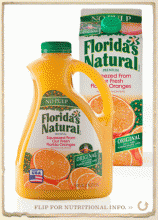
Yes, I do agree that a glass of orange juice can often contain as much sugar as a can of soda.  That can easily be seen on the carton’s nutrition info.  However, to say that orange juice is just as bad as soda pop is a bit much.  Soda does not contain any nutrients.  Meanwhile, orange juice is packed full of vitamins. 

Oranges contain the same sort of vitamins without the extra sugar.  So yes, eating oranges is healthier.  However, if you are unlikely to eat an orange, drinking orange juice might not be that bad of an idea.

The Sun and Vitamin D

0
Hanvi's picture
Posted by Hanvi
3/01/12 6:13am

As a runner, I spend plenty of time in the sun.  So imagine my surprise when I found out that I was deficient in Vitamin D.  Yet that was exactly what the doctor reported to me about my blood work a few years back.

How could it be?  Wasn’t natural sunlight enough for my body to produce its own Vitamin D?  The problem, according to my medical doctor, was that I religiously applied sunscreen to my body whenever I was outdoors.  The sunscreen not only blocked harmful effects from the sun, but it also blocked any chances of my body creating Vitamin D from all of that sun I was getting on my weekly runs outside.

After so many years, people have finally started to understand how bad it was to spend too much time in the sun unprotected.  Like me, many people have made it a priority to wear sunscreen whenever they knew they were going to be outside for a while.  According to my medical doctor, people were getting better at preventing skin cancer, but they were starting to put themselves at risk for being deficient in Vitamin D.

So what should we all do?  Do we use less sunscreen?  Or should we be okay with not having enough Vitamin D in our bodies?  No to both, because that can be harmful to our bodies.  Instead, we should stop equating the sun with Vitamin D, and learn to get the needed vitamin elsewhere.  Both Vitamin D supplements and fortified milk are good sources to consider.

Chia Seeds: Health Benefits and Great Recipe Idea

1
FireFly's picture
Posted by FireFly
1/15/12 4:57pm

I mentioned Chia seeds briefly in my last blog on including more fiber in your diet. Chia seeds are my latest health food discovery, and along with having lots of fiber, they also have many other health benefits. I recently purchased an overpriced bag of Chialife Chia seeds from GNC, because I was eager to try them and did not want to have to wait for an order to be shipped to me. I paid $18 for 12 ounces at GNC, but I will order my next batch from chiaseedsdirect.com for $20 for 3 pounds, including shipping. After trying these seeds, they are now a staple in my daily diet. Here are some of the additional benefits of Chia seeds that make them practically a food for the Gods:

1. Along with containing 5 grams of fiber per tablespoon, Chia seeds also contain 2.5 grams of protein in this small serving size. This adds up when you consume several tablespoons a day, as I do.

2. Chia seeds contain 2,375 mg of healthy Omega-3 fats in every tablespoon as well. This is a type of fat that many Americans are deficient in. Americans consume too much Omega-6 fat and very little Omega-3 fat. Just a tablespoon of Chia seeds daily can provide all of the benefits of these healthy fats, which includes lowered blood pressure, a healthier brain and a more stable mood. You can throw out the disgusting-tasting fish oil pills when you are consuming Chia seeds daily.

3. Chia seeds also contain no digestible carbohydrates, so they are great for those who are on a lower-carb diet.

4. A healthy serving of Chia seeds also provides your body with quality calcium and other minerals, along with antioxidants.

What I like to do with my Chia seeds is stir a tablespoon into my daily yogurt. They add a nice crunchiness to it. I also have a Chia shake that I consume nightly, that tastes much like a milkshake:

Chia Milkshake

1-cup milk
2-3 tablespoons of Chia seeds
1 teaspoon of vanilla extract
2 packets of splenda

Mix all of the above ingredients in a glass or mug and refrigerate for 10-15 minutes. Stir and drink. Yum!


Tips for Getting More Fiber in Your Diet

0
FireFly's picture
Posted by FireFly
1/02/12 7:34pm
Veggies, Cereals, High Fiber Grains, and Chia Seeds

Fiber ranks as one of the top all-natural health foods that must be included in your daily diet. When many think of fiber, they think of Metamucil and other supplements that aid with constipation. The stigma of fiber only being helpful for those who are constipated is extremely false. Fiber helps to lower cholesterol levels, helps people maintain a healthy weight and helps maintain colon and digestive tract health. The benefits of increasing fiber in your diet are almost never ending. Here are some ways to increase your fiber consumption on an everyday basis:

1. Eat your veggies. Many vegetables are a great source of fiber. Simply including at least one vegetable in every meal can be an easy, enjoyable way to increase your daily fiber intake and also your overall health.

2. High-fiber cereals. High-fiber cereals do not taste like cardboard like many of them used to. Although a bit processed, these cereals are a great source of good-quality fiber. One high fiber cereal that is delicious and does not even taste like a health food is Fiber One Honey Clusters. This cereal is so good that I have a hard time eating only one bowl at a time.

3. Chia seeds. Chia seeds are a new very popular source of fiber that can be included in almost any food you can think of. You can add them to yogurt, top oatmeal with them and experiment to your hearts content. You can purchase Chia seeds from many health food stores and websites. An added bonus is that Chia seeds can be used to create an egg substitute that can be used in cooking and baking. This is great for vegans who love to cook and bake.

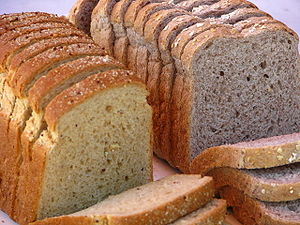
4. Other healthy grains. Oatmeal, whole-wheat pasta and whole grain breads are great sources of fiber. Always check the label of breads to be sure they are truly made of whole grains; some bread labels can be deceiving. A hot bowl of healthy oatmeal is a great, affordable way to get a boost of morning fiber on a cold winter morning.
 

Greek Yogurt: Once a Niche Health Food, Now Mainstream

2
FireFly's picture
Posted by FireFly
12/17/11 5:29pm
"The only downfall of Greek yogurt over traditional yogurt is the price"

A great "health" food that has now been introduced to mainstream America is Greek yogurt. What is not to love about this yogurt? It has a great, traditional yogurt taste with twice the protein of typical yogurt. It has calcium, all of those healthy yogurt cultures and probiotics, and comes in many wonderful flavors. This is my new obsession, and it is thankfully now available at supermarkets everywhere. There are mainstream yogurt brands that have now introduced a Greek version. Yoplait and Dannon are the two that I have tried.  This is what I thought of them:

Dannon Oikos was the first supermarket Greek yogurt that I tried. I have now tried the honey flavor, the blueberry flavor and the strawberry flavor. There are several other flavors available that I have not tried yet. Let me just say that the honey-flavored Oikos is heavenly! The blueberry and strawberry were okay, just not as good as the honey. Dannon Oikos has a thick, creamy texture that has a very different mouth feel than traditional yogurt. Some may love it, and some may hate it. I personally love this texture, and it will keep my purchasing this yogurt again and again.

If you do not like Dannon Oikos, you may love Yoplait Greek. It has the traditional yogurt texture that many people are used to, and traditional yogurt tanginess. If you like traditional yogurt but have not liked other brands of Greek yogurt that you have tried, give Yoplait Greek a try and you may change your mind about Greek yogurt. This would also be great for parents who would like to include a little extra protein in their children's diets.

The only downfall of Greek yogurt over traditional yogurt is the price. Each 5-6 ounce container costs around a dollar or a few cents more. Keep in mind that you are paying a few extra cents for protein, though, and sources of protein tend to be a bit expensive. I think this price is pretty reasonable for the nutrition that you get from this yogurt.  Look for sales and coupons and you can find great deals at the supermarket.
 

Vegetarian Faux "Meat" Products: Are They Really Healthy?

0
FireFly's picture
Posted by FireFly
12/10/11 4:55pm
" My advice would be to not "live" off of these products if you are a vegetarian"

I used to be a vegetarian. I was one for 20 years, actually. It was more than a little experiment for me; it was a lifestyle choice. If you told "vegetarian me" that I would eventually start eating chicken, turkey and fish, I would have told you that you were crazy. I eventually did add white meat to my diet just a few years ago. I will get into the details of that on another post. Today, I am going to talk about the faux "meat" products that I ate abundantly when I was a vegetarian. There is faux turkey, faux chicken, faux hot dogs, and even faux bacon. While the appeal of these "meats" to a practicing vegetarian is obvious -- they get to eat "meat" without actually eating an animal -- the question is: how healthy are these faux meats?

I do have to say that these "meats" do taste a whole lot like the real thing. I even fed breaded faux chicken patties several times to my non-vegetarian friends and they did not even know the difference. I remember them usually being a bit pricey, but I was a vegetarian who was used to purchasing only grains, vegetables and fruits, after all. Compared to real, quality meats, the prices of the faux meats are comparable.

Now, on to the real question. Are they healthy? Well, if you look at the list of ingredients, you will see the names of many chemicals on the labels of many of these products. Strike one. They are made usually made with soy, but very processed, altered soy. Strike two. Many of these products also contain lots of sodium, but so do most non-vegetarian food items, so I will not give them a strike for that.

My advice would be to not "live" off of these products if you are a vegetarian, but to only eat them every once in a while for a treat, or when you get a strong craving for a "meat" product. Everything is fine in moderation, but if you are a vegetarian for health reasons, I would not eat a diet that consists of these "meat" products as a staple food.
 

  • Home
  • Archives
  • Links
  • Posts
  • Comments

Search form

Recent Posts

Night Shift Workers at Greater Risk of Diabetes
Health Benefits of Ginger
The Truth About Milk
Orange Juice vs. Oranges
The Sun and Vitamin D
Chia Seeds: Health Benefits and Great Recipe Idea
Tips for Getting More Fiber in Your Diet
Greek Yogurt: Once a Niche Health Food, Now Mainstream
Vegetarian Faux "Meat" Products: Are They Really Healthy?

Blogroll

Archive

  • April 2012 (1)
  • March 2012 (4)
  • January 2012 (2)
  • December 2011 (2)
Health Specialties is a part of the Klat community of sites. Click to learn more!
  • Home
  • Archive
  • Links
All Content Copyright © 2004 – 2012 NeonGecko.com Inc. | US Patent #7424516.

All Rights Reserved. Klat and Klat.com are trademarks of NeonGecko.com Inc.


Photo by Makdune via Flikr.com
  • About
  • Contact Us
  • Create an Account
  • Terms of Use
  • Community Guidelines
  • Posts
  • Comments